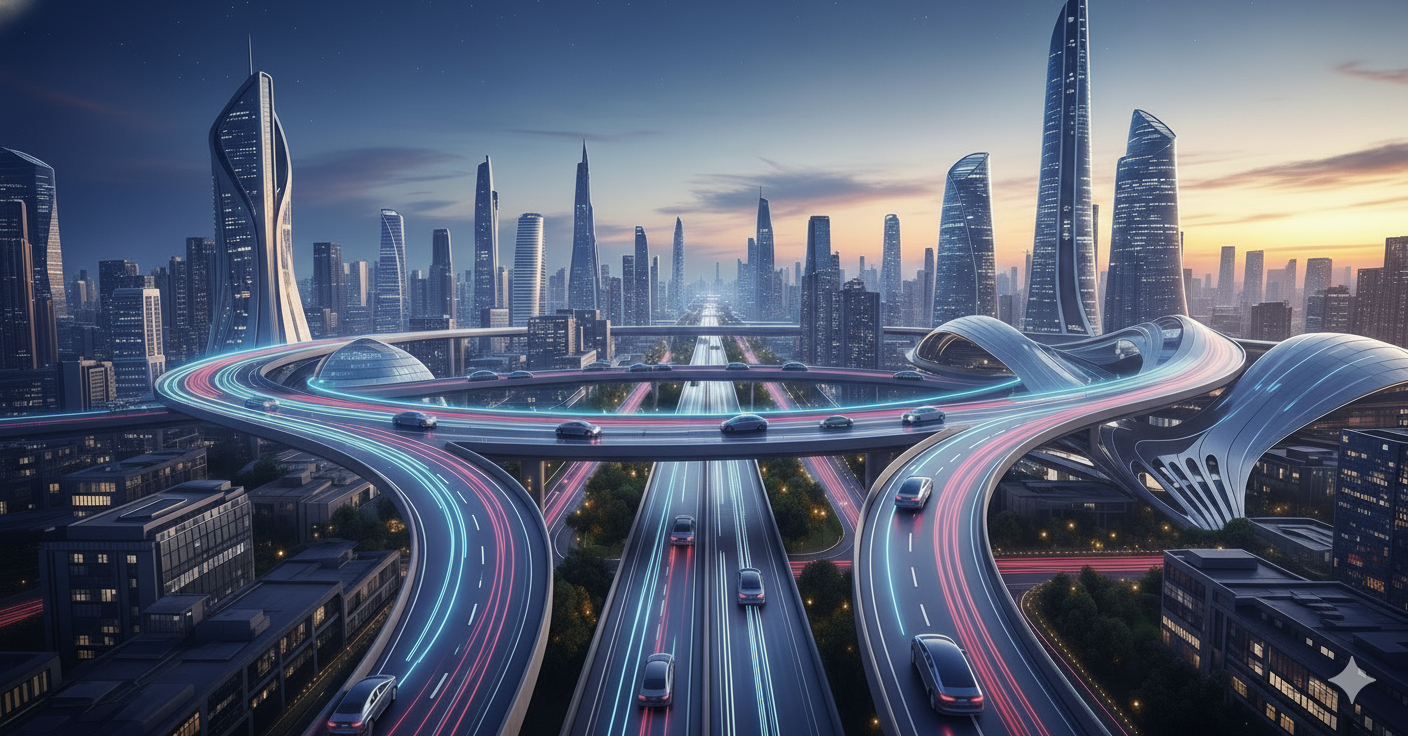
From Teslas to task automation, exploring how we’re surrendering control — one feature at a time.
TL;DR
Automation promises safety, convenience, and efficiency — but it’s also teaching us to stop paying attention. From cars that steer themselves to algorithms that curate our choices, we’re gradually handing over agency in the name of ease. The question isn’t whether machines can drive for us; it’s whether we’ll remember how to steer our own lives once they do.
The Age of Automatic Everything
There was a time when “autopilot” meant luxury — the dream of letting the machine handle the hard parts while we relaxed. Today, it’s not just pilots or drivers who live that dream; it’s all of us. Our thermostats adjust themselves, our inboxes sort our messages, our playlists know our moods. The average day is now a symphony of invisible algorithms quietly managing our choices.
And it’s wonderful — until it isn’t. Because in exchange for convenience, we’re giving up something subtle but profound: the habit of paying attention.
The shift toward automation is not just technological; it’s behavioral. Every “smart” feature is a micro-handshake between human and machine: you do this for me, and I won’t have to think about it. Multiply that by millions of tiny transactions, and you get a culture running — quite literally — on autopilot.
From Teslas to Task Lists
The self-driving car is the perfect metaphor for our age. It embodies both the promise and peril of automation. Tesla’s Autopilot, Google’s Waymo, and other systems represent astonishing feats of engineering — vehicles that perceive, predict, and act faster than any human could. Yet the tragedies associated with these systems — accidents caused by overtrust — reveal a deeper flaw not in the technology, but in us.
We are too quick to let go of the wheel.
In the workplace, the same dynamic plays out in subtler ways. Project management software automates deadlines, emails summarize meetings, and AI tools prioritize tasks. We become “drivers” in name only — passengers in systems we once controlled. It’s not that automation removes responsibility; it redistributes it, often to places we can no longer see.
The Psychology of Letting Go
Why do we surrender control so easily? The answer lies in our cognitive wiring. Humans crave comfort and predictability. When something performs a repetitive task better than we can, we’re more than happy to hand it over. Psychologists call this automation bias — our tendency to trust machines more than ourselves once they’ve proven competent.
It’s a rational instinct — until it isn’t. The more reliable the system becomes, the more complacent we grow. Pilots who rely too heavily on autopilot have slower reaction times in emergencies. Office workers who let AI prioritize emails can lose track of context. Consumers who trust recommendation algorithms stop exploring alternatives.
Convenience quietly breeds dependency. And dependency quietly erodes skill.
Invisible Chauffeurs
The beauty of modern automation is its invisibility. Most of us aren’t aware of how much of our daily experience is curated. From the route your map app suggests to the products your feed displays, algorithms make choices that shape your reality. The more they learn, the more personalized they become — until the illusion of control feels indistinguishable from the real thing.
But personalization is not the same as autonomy. When every recommendation is optimized for engagement, every feed tailored to preference, we risk becoming passengers in a world designed to anticipate — not challenge — our desires. The algorithm’s goal is not self-awareness; it’s satisfaction. And that’s exactly what makes it so seductive.
The Safety Illusion
Automation is often framed as a safety feature: fewer crashes, fewer errors, fewer missed deadlines. And it’s true — machines can outperform humans in precision and consistency. But safety without awareness is its own form of danger.
Consider the paradox of the modern driver: the safer the car, the less careful the driver. As features like lane assist, automatic braking, and adaptive cruise control become standard, drivers pay less attention, not more. We outsource vigilance, and with it, the instinct to stay alert.
This phenomenon extends beyond cars. In medicine, finance, and even journalism, automation has reduced human oversight in critical decisions. When algorithms fail — and they do — the humans meant to supervise them often realize too late that they stopped truly watching.
A Culture of Passive Progress
Automation’s most insidious effect isn’t unemployment or error — it’s disengagement. We are becoming spectators in systems we no longer understand. We trust our navigation apps more than our instincts, our feed algorithms more than our curiosity, our smart assistants more than our memory.
The world still moves forward, but increasingly without our conscious participation. The term “sleep at the wheel” feels less like a warning and more like a cultural diagnosis.
The irony is that the more we automate, the less we experience automation. It fades into the background until only its consequences remain — both the conveniences we cherish and the capacities we forget we had.
Regaining the Human Element
Yet it doesn’t have to be dystopian. Automation, used mindfully, can amplify rather than dull human potential. The key is intentional engagement — choosing when to automate and when to intervene.
A truly balanced future isn’t one where humans surrender control, but one where we learn to share it wisely. In aviation, pilots still monitor autopilot systems precisely because they know what’s at stake. In workplaces, leaders who use AI to handle logistics while reserving strategy and creativity for humans see better results — and more fulfillment.
The challenge isn’t building smarter systems. It’s staying smart within them.
Designing for Awareness
If the past two decades have been about making machines intuitive, the next two should be about making them transparent. We need technology that explains its choices, reveals its biases, and invites human oversight. Automation should be a collaborator, not an overlord.
Imagine interfaces that remind users of what the machine is doing — and why. Cars that encourage engagement instead of distraction. AI assistants that display the trade-offs behind their decisions. Awareness isn’t inefficiency; it’s insurance against complacency.
After all, a world that drives itself still needs passengers who understand where it’s going.
Staying Awake at the Wheel
The story of automation is not about losing control — it’s about forgetting why control mattered. The machines we build reflect our desires: safety, comfort, convenience. But each convenience asks a question in return — how much agency are we willing to trade for ease?
As our devices drive, schedule, and decide for us, it becomes harder to notice the moment when assistance turns into authorship. The danger isn’t that AI will take over the world; it’s that we’ll stop noticing when it does.
So maybe the answer isn’t to resist automation, but to wake up inside it — to stay alert in a world built to lull us into passivity. Because even in a self-driving future, someone still has to know where we’re going.